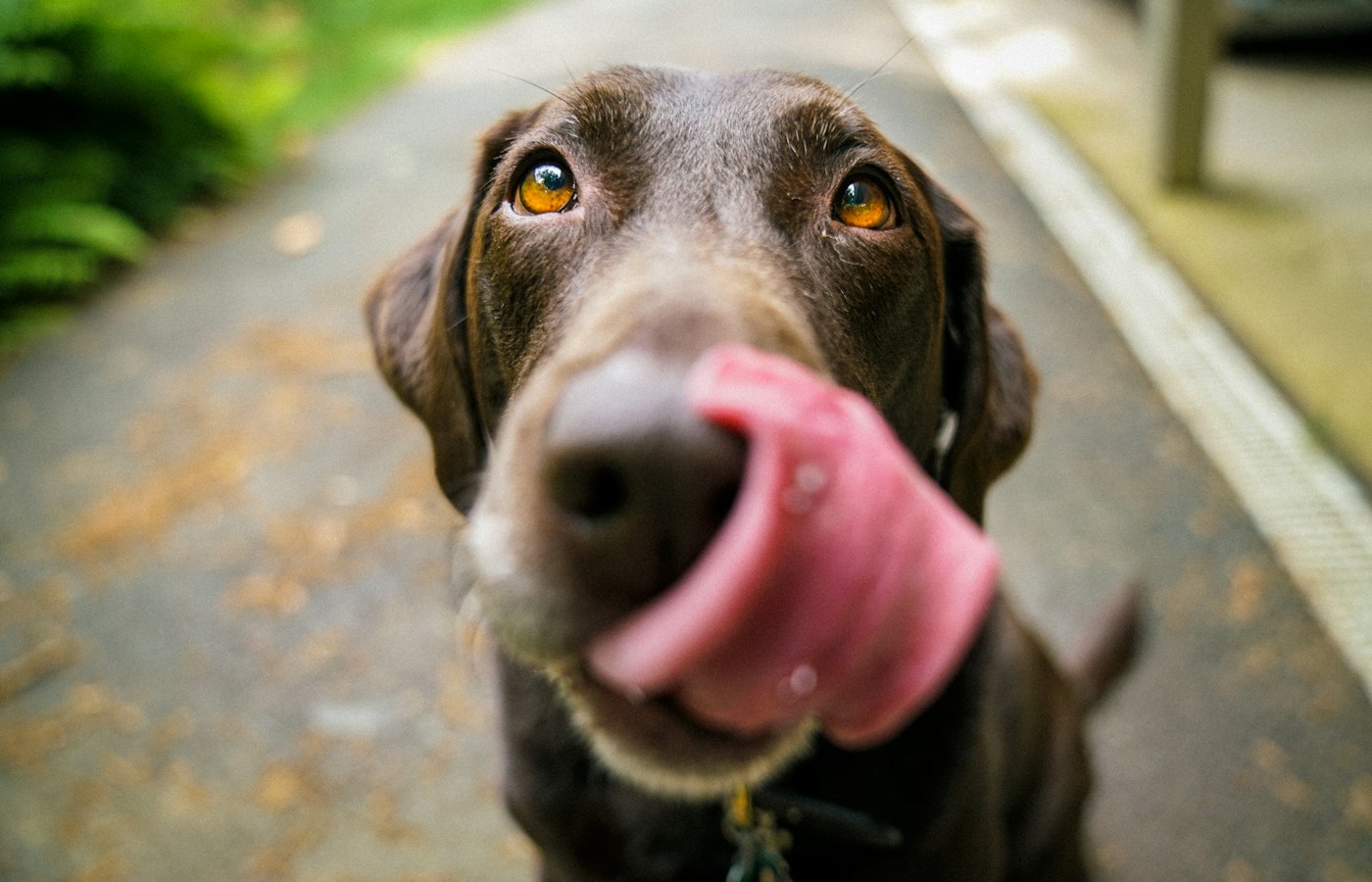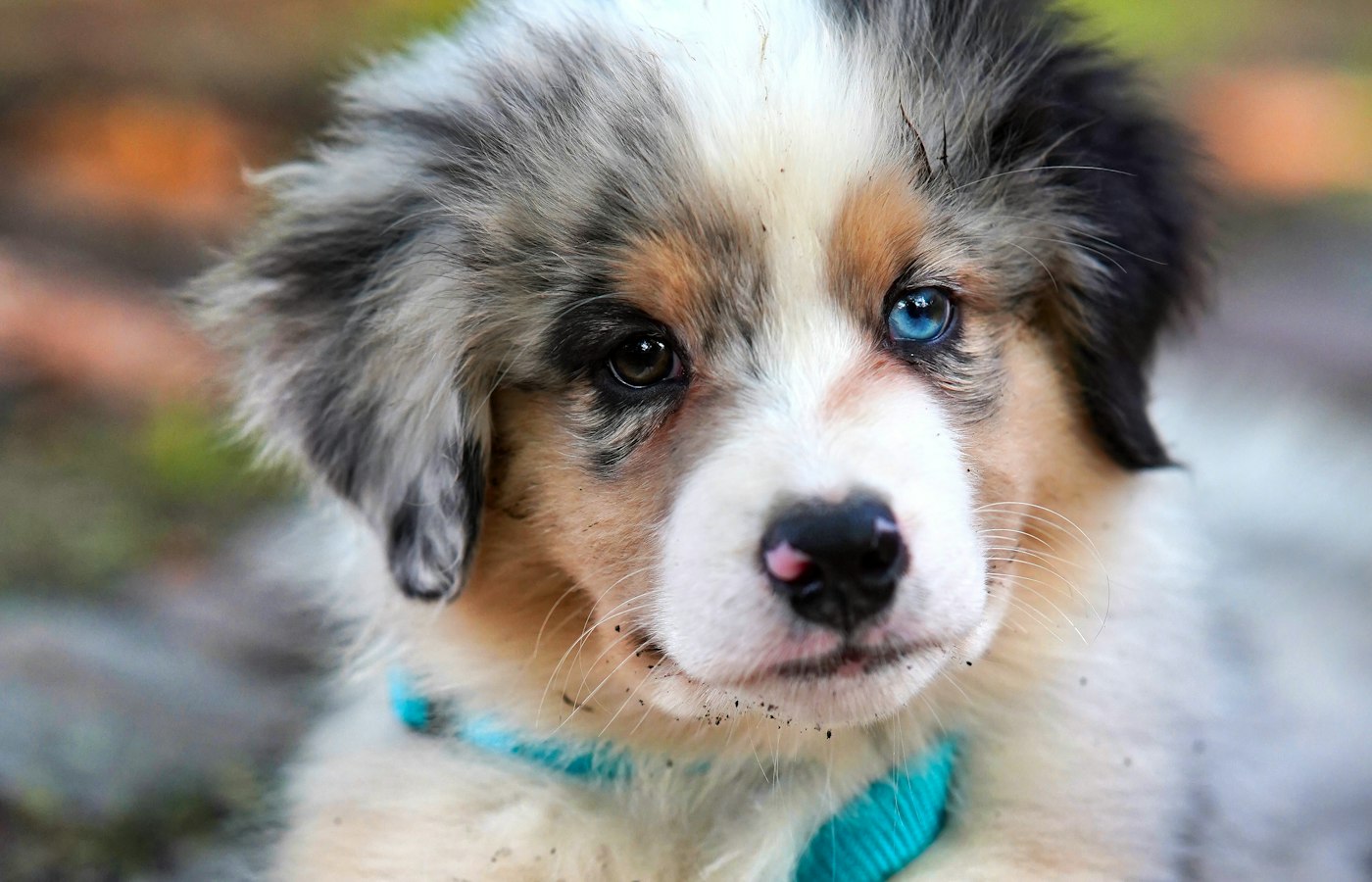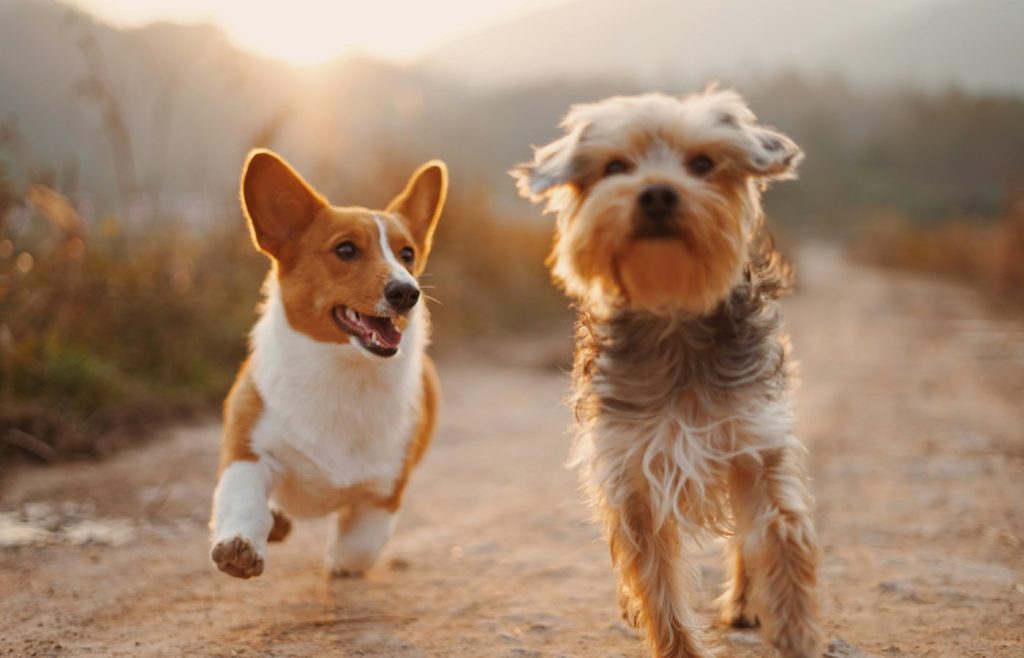
“How long should I walk my dog?” has no single answer. A young border collie, a senior bulldog and a toy poodle all need different amounts and kinds of activity. What they share is a need for both physical exercise and mental stimulation.
Why exercise matters
Regular activity supports a healthy weight, strong muscles and joints, better digestion and calmer behavior. Many behavior problems that owners describe as “naughty,” such as chewing, digging and barking, are often signs of unmet exercise or enrichment needs.
General daily guidelines
The ranges below are broad starting points, not prescriptions. Your veterinarian can tailor them to your dog’s health, breed and age.
| Dog type | Typical daily activity | Examples |
|---|---|---|
| Small, low-energy | 30 to 45 minutes | Many toy breeds, Shih Tzus |
| Small, high-energy | 45 to 60 minutes | Jack Russell terriers, Corgis |
| Medium, moderate | 60 minutes | Beagles, spaniels |
| Large or sporting | 60 to 120 minutes | Labradors, retrievers, shepherds |
| Working and herding | 90 minutes or more, with mental tasks | Border collies, Australian shepherds |
| Flat-faced (brachycephalic) | Shorter, gentler walks in cool weather | Bulldogs, Pugs, Boxers |
| Seniors | Short, frequent, low-impact outings | Any breed |
Puppies and growing dogs
Puppies need play and exploration but not long, repetitive exercise such as extended jogging, which can strain developing joints. A commonly cited rule of thumb is about five minutes of structured exercise per month of age, once or twice a day, plus free play. Ask your vet when high-impact activities are appropriate for your breed.
Adult dogs: mix it up
Variety keeps walks interesting and works different muscles:
- Sniff walks: Let your dog explore and sniff. It is surprisingly tiring mentally.
- Fetch and tug: Great for burning energy in short bursts.
- Swimming: A low-impact option for many dogs, with supervision and a life vest where appropriate.
- Training games: Hide-and-seek, puzzle feeders and learning new tricks add mental work.
Senior dogs
Older dogs still benefit from movement, but they may need shorter, more frequent walks, softer surfaces and extra rest. Stiffness after exercise, slowing down, or reluctance to climb stairs are good reasons for a vet check, because pain is common and treatable. Read more in our senior dog care guide.
Signs you are doing too little
- Restlessness, pacing or destructive behavior
- Weight gain
- Excessive barking or attention seeking
Signs you are doing too much
- Limping, stiffness or soreness the next day
- Heavy panting that does not settle quickly
- Reluctance to continue, lagging behind or lying down on walks
Heat and exercise
Avoid hard exercise in hot or humid weather and always carry water. See summer safety for pets.
Making it work with a busy schedule
Two shorter outings often beat one long one. Add five-minute training bursts at home, rotate puzzle toys, and consider a safe, fenced space for off-leash play if your dog has reliable recall.
Sources and further reading
- American Kennel Club: exercise requirements by breed group (akc.org)
- American Veterinary Medical Association: pet fitness resources (avma.org)
- Association for Pet Obesity Prevention (petobesityprevention.org)