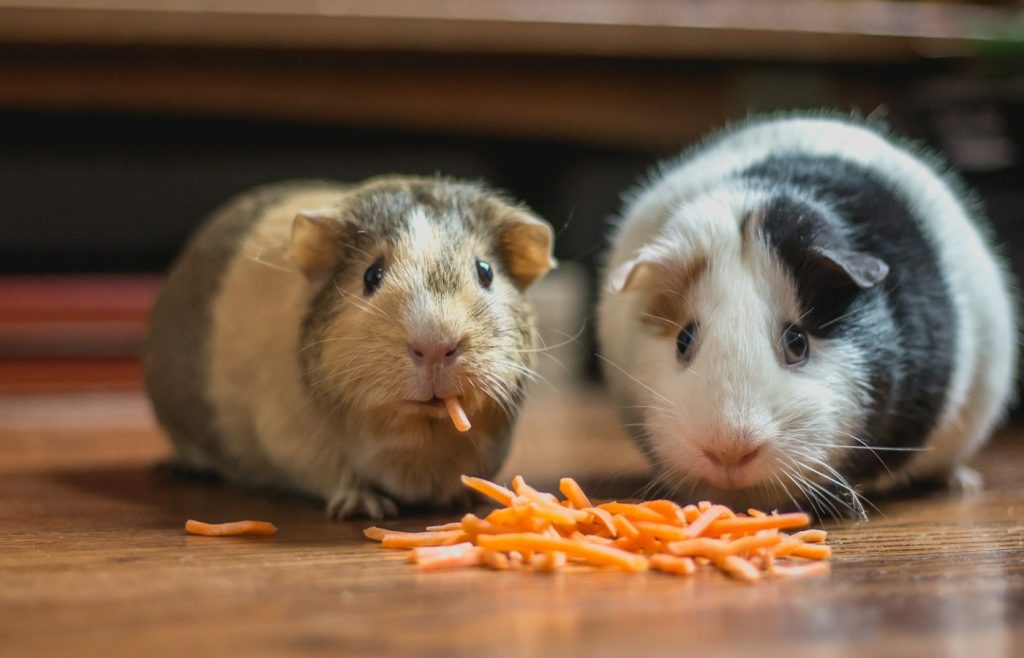
Guinea pigs are gentle, chatty companions that can live five to seven years or longer with good care. They are also more demanding than their reputation suggests. Understanding their basic needs before you bring them home will help you give them a happy life.
They are social animals
Guinea pigs are herd animals and generally do best with at least one compatible companion. Many owners keep same-sex pairs or neutered male and female pairs. Ask a veterinarian experienced with small mammals, or a reputable rescue, for advice on pairing and on avoiding unplanned litters.
Housing: bigger is better
Guinea pigs need more floor space than most commercial cages provide. Many welfare organizations recommend at least about 7.5 square feet of floor space for one or two guinea pigs, with more room for larger groups. Remember these key points:
- Floor space matters more than height. Guinea pigs do not climb.
- Solid floors only. Wire flooring can injure feet. Use soft bedding such as paper-based bedding or fleece liners.
- Include hiding spots. Houses, tunnels and boxes help them feel safe.
- Keep them cool and dry. They are sensitive to heat; keep the enclosure away from direct sun and drafts.
- Clean regularly. Spot clean daily and fully clean weekly.
Diet: hay, vitamin C and fresh vegetables
A balanced guinea pig diet has three pillars:
- Unlimited grass hay, such as timothy hay, which keeps teeth worn down and the gut moving. Hay should make up the majority of the diet.
- A measured amount of plain guinea pig pellets formulated with vitamin C.
- Fresh vegetables daily, particularly leafy greens and vitamin C-rich options such as bell peppers.
Why vitamin C?
Like humans, guinea pigs cannot make their own vitamin C. Without enough of it they can develop scurvy, which causes pain, lethargy and poor coat. Fresh vegetables and fortified pellets help meet the need; ask your vet whether supplementation is appropriate for yours.
Fresh, clean water should always be available. Fruit is a treat, since it is high in sugar, and avoid foods such as onions, garlic, chocolate and iceberg lettuce.
Daily routine
- Refresh hay, water and vegetables every day.
- Give at least a few hours of supervised floor time in a safe, enclosed space.
- Handle them gently and regularly so they become comfortable with you. Support their bottom with one hand when lifting.
Health: what to watch for
Because prey animals hide illness, watch for changes such as:
- Eating or drinking less, or stopping eating altogether, which is an emergency
- Weight loss or a hunched posture
- Overgrown teeth, drooling or wet chin
- Sneezing, nasal discharge or labored breathing
- Scratching, hair loss or crusty skin
- Soft or absent droppings
Annual check-ups with an exotic-animal or small-mammal-savvy veterinarian are recommended. Weigh your guinea pigs weekly; a drop in weight is often the first warning sign.
Is a guinea pig right for you?
They need daily attention, a good-sized enclosure, a steady supply of hay and vegetables, and access to a suitable vet. If that sounds like a fit, you will gain a lively and affectionate pet.
Sources and further reading
- RSPCA: guinea pig care guide (rspca.org.uk)
- Association of Exotic Mammal Veterinarians: guinea pig care resources (aemv.org)
- Humane Society of the United States: small animal care resources (humanesociety.org)